Why Sustainability in Manufacturing Matters
International buyers today evaluate manufacturers not only on price and design — but also on environmental and ethical performance.
Sustainability in manufacturing impacts:
• Brand reputation
• Retail acceptance
• Long-term supplier relationships
• Regulatory compliance
• Access to global markets
Retailers across Europe, North America, and Australia now integrate sustainability criteria into procurement decisions.
1️⃣ Responsible Material Sourcing
Sustainable manufacturing begins at the raw material stage.
Decorative manufacturers must focus on:
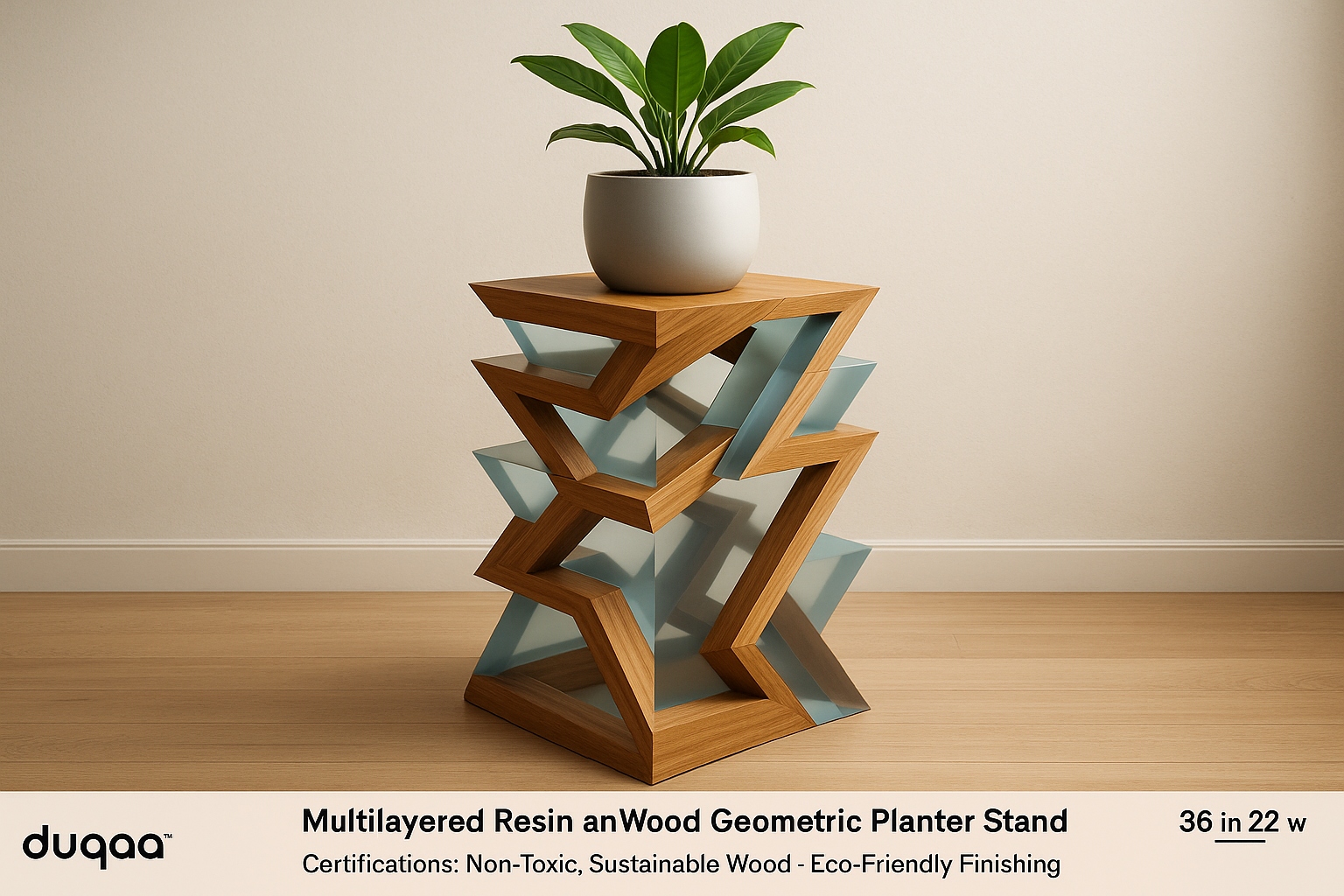
• FSC-certified timber sourcing
• Responsibly mined metals
• Lead-free surface coatings
• REACH-compliant chemical usage
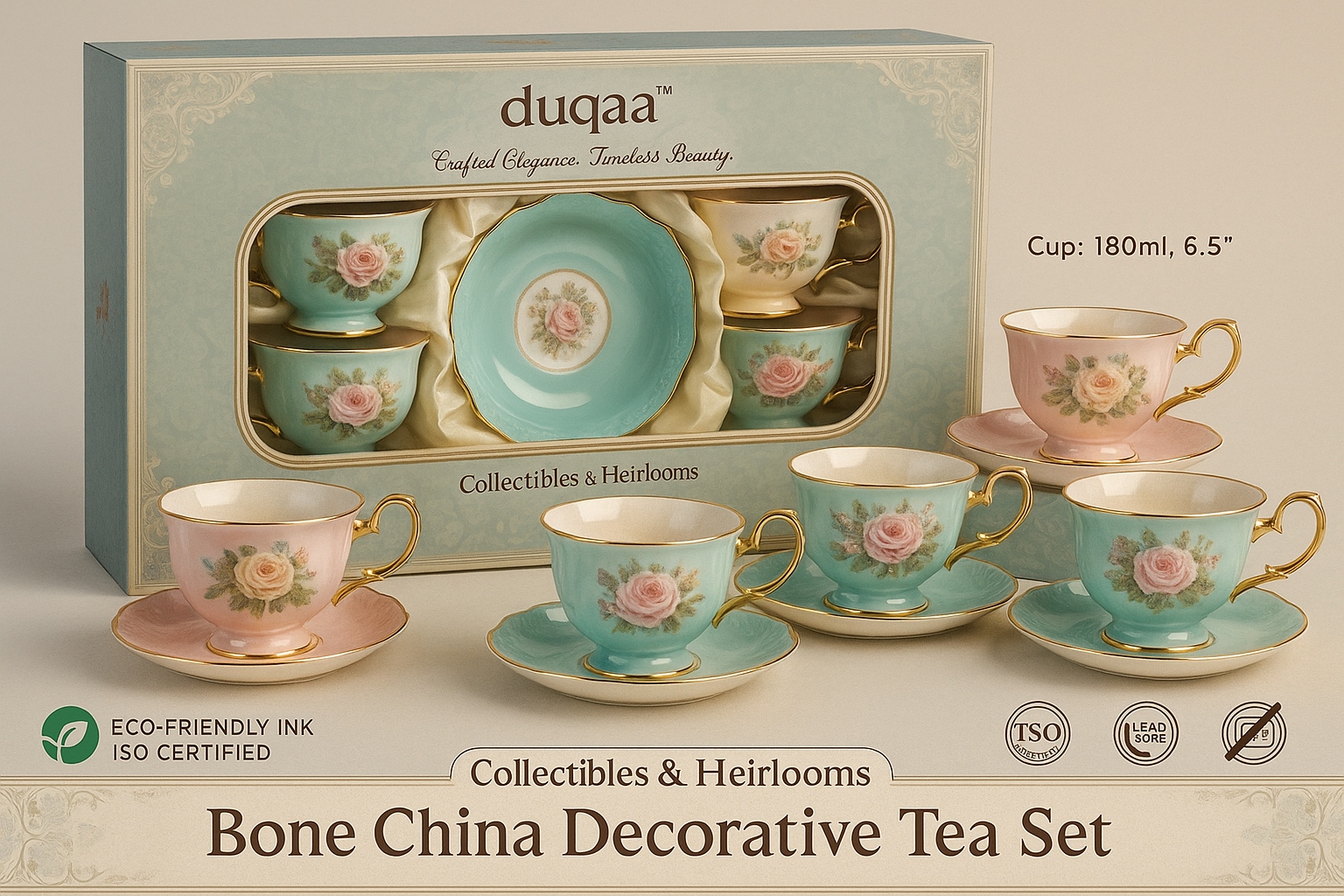
• Eco-friendly ceramic glazing
Transparent sourcing reduces environmental impact and strengthens buyer confidence.
2️⃣ Waste Reduction & Resource Optimization
Modern production systems emphasize:
• Scrap metal recycling
• Controlled water usage
• Efficient material cutting processes
• Packaging optimization
• Reduced single-use plastics
Waste reduction in manufacturing not only lowers environmental footprint but also improves cost efficiency and operational sustainability.
3️⃣ Energy-Efficient Production Systems
Energy consumption is a critical sustainability factor in decorative manufacturing.
Responsible facilities are implementing:
• Energy-efficient machinery
• Optimized kiln systems (for ceramics)
• Powder coating efficiency upgrades
• LED-based production lighting
• Structured maintenance systems
Energy efficiency contributes to lower carbon output and long-term operational stability.
4️⃣ Ethical Workforce & Safe Work Environments
Sustainability in manufacturing also includes social responsibility.
Ethical production frameworks ensure:
• Safe working conditions
• Structured labor policies
• Fair compensation practices
• Responsible subcontractor alignment
• Workplace safety compliance
Global buyers increasingly evaluate social compliance before onboarding new manufacturing partners.
5️⃣ Sustainable Packaging & Export Practices
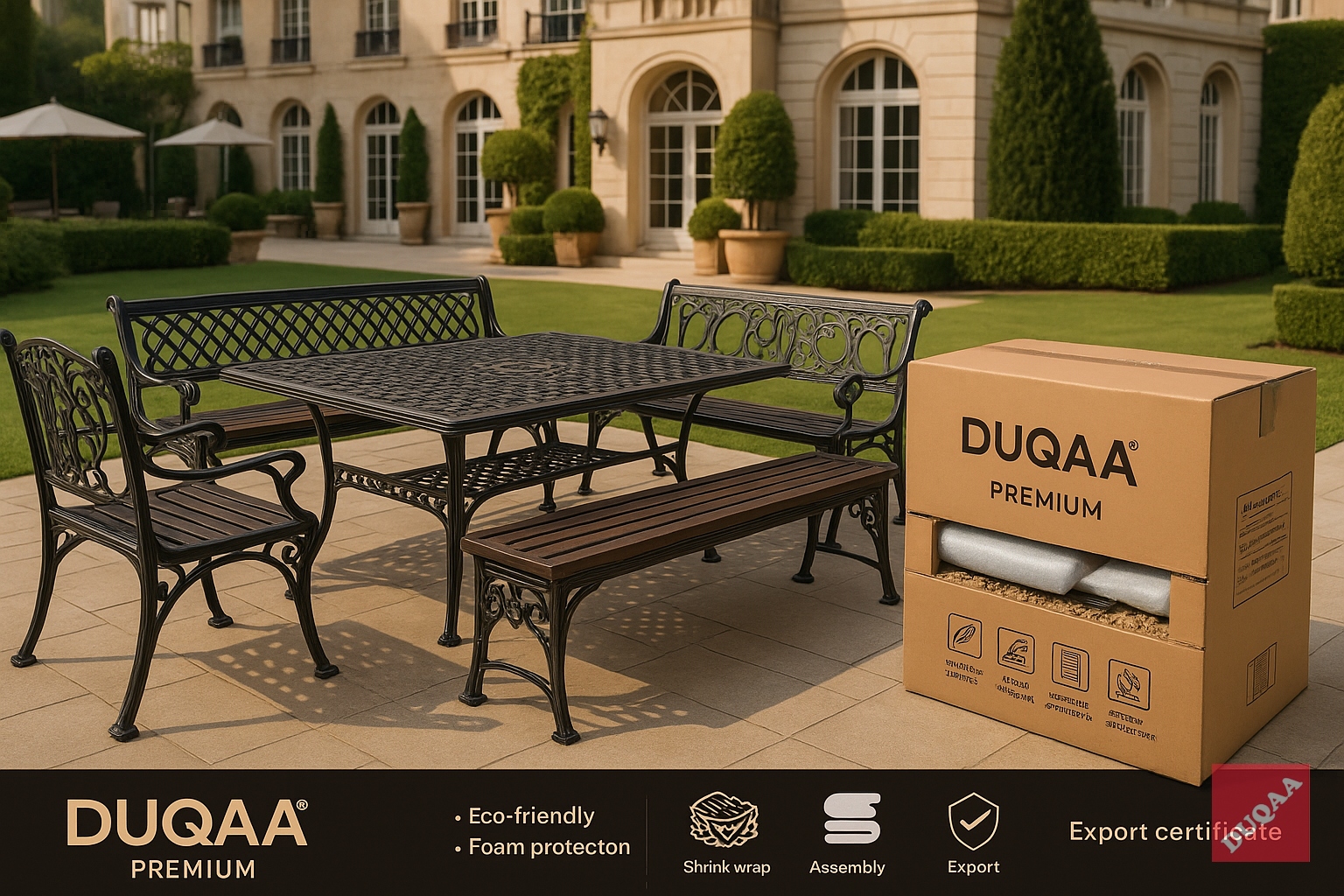
International shipments now require packaging that balances protection with environmental responsibility.
Sustainable packaging strategies include:
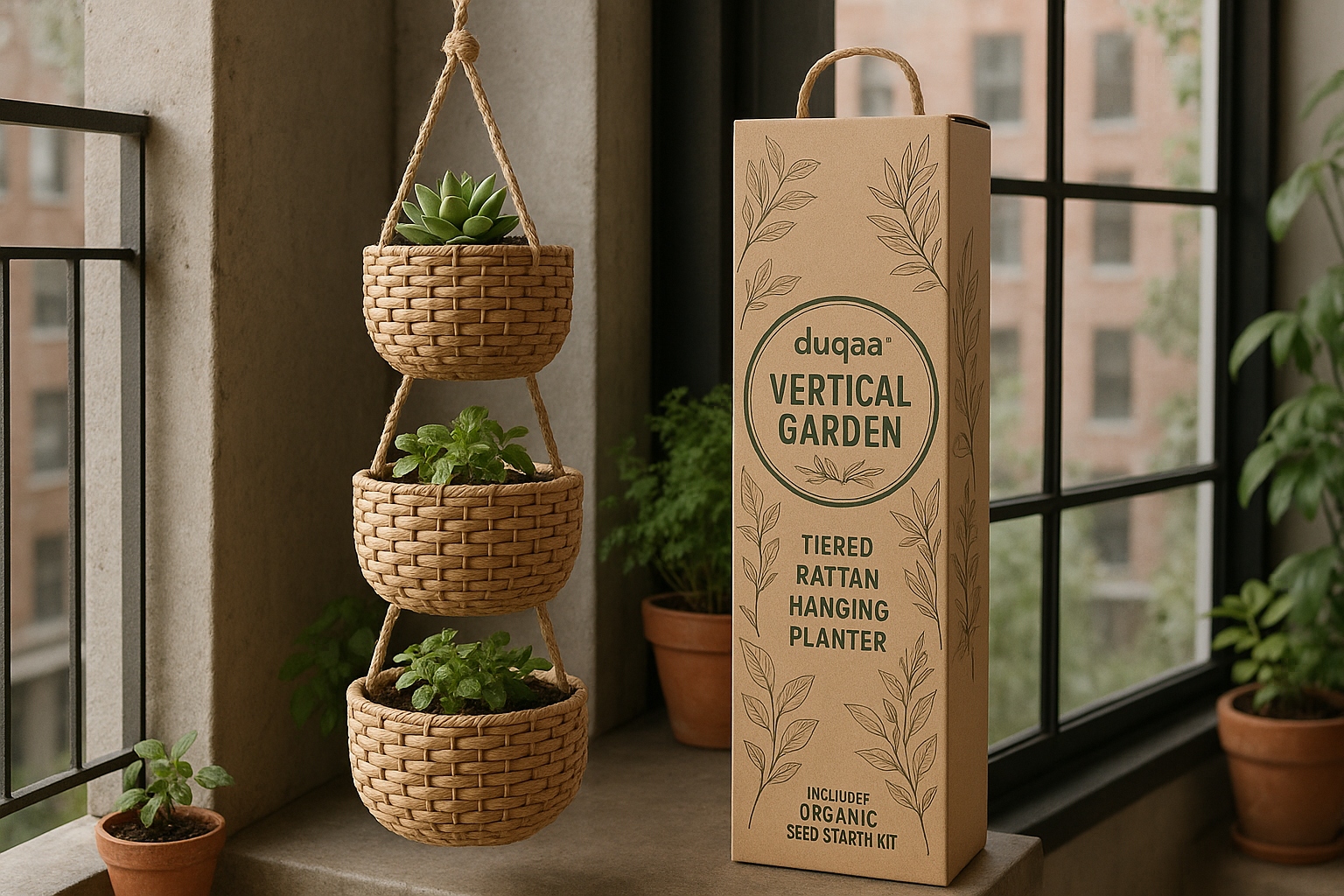
• Recyclable corrugated cartons
• Optimized palletization
• Reduced plastic fillers
• Responsible labeling systems
• Bulk container efficiency planning
Efficient packaging reduces both environmental impact and shipping costs.
6️⃣ Regulatory Alignment & Sustainability Standards
Export markets are strengthening environmental regulations related to:
• Chemical restrictions
• Timber traceability
• Waste management policies
• Extended Producer Responsibility (EPR)
• Carbon footprint disclosures
Manufacturers who proactively align with sustainability in manufacturing standards reduce compliance risk and enhance market access.
The Business Case for Sustainable Manufacturing
Sustainability is not only ethical — it is strategic.
Benefits include:
✔ Stronger international buyer confidence
✔ Reduced regulatory exposure
✔ Improved operational efficiency
✔ Long-term brand credibility
✔ Competitive positioning in global markets
Manufacturers who ignore sustainability risk losing access to premium markets.
How DUQAA™ Integrates Sustainability in Manufacturing
At DUQAA™, sustainability in manufacturing is embedded within our operational framework.
With five manufacturing units across India and exports to 24 countries, we prioritize:
• Responsible material sourcing
• Waste minimization practices
• Efficient production workflows
• Ethical workforce standards
• Structured compliance alignment
• Sustainable packaging strategies
We continuously refine our production systems to align with evolving environmental and ethical expectations across global markets.
Our goal is to balance traditional craftsmanship with responsible industrial processes — ensuring decorative excellence without compromising environmental integrity.
Why DUQAA™
In a global market where sustainability in manufacturing defines long-term competitiveness, DUQAA™ stands committed to responsible growth.
For over three decades, we have combined craftsmanship, compliance, and conscious production to serve international retailers and importers with integrity.
With scalable manufacturing capacity, export-ready compliance systems, and a sustainability-focused mindset, DUQAA™ is not only a decorative handicrafts manufacturer — we are a future-ready global partner.
Where manufacturing meets responsibility.
Where tradition meets sustainability.
Where global standards meet ethical execution.